This week, we celebrate the death of our Savior. He brought redemption to all who confess Him and follow him. Fleming Rutledge makes a startling point in her book, The Crucifixion: Understanding the Death of Jesus Christ. Her book is especially valuable for showing how people understood the crucifixion at that time.
Excerpt:
“. . . Crucifixion as a means of execution in the Roman Empire had as its express purpose the elimination of victims from consideration as members of the human race. It cannot be said too strongly: that was its function. It was meant to indicate to all who might be toying with subversive ideas that crucified persons were not of the same species as either the executioners or the spectators and were therefore not only expendable but also deserving of ritualized extermination.
Therefore, the mocking and jeering that accompanied crucifixion were not only allowed, they were part of the spectacle and were programmed into it. In a sense, crucifixion was a form of entertainment. Everyone understood that the specific role of the passersby was to exacerbate the dehumanization and degradation of the person who had been thus designated to be a spectacle. Crucifixion was cleverly designed — we might say diabolically designed — to be an almost theatrical enactment of the sadistic and inhumane impulses that lie within human beings. According to the Christian gospel, the Son of God voluntarily and purposefully absorbed all of that, drawing it into himself. . . “
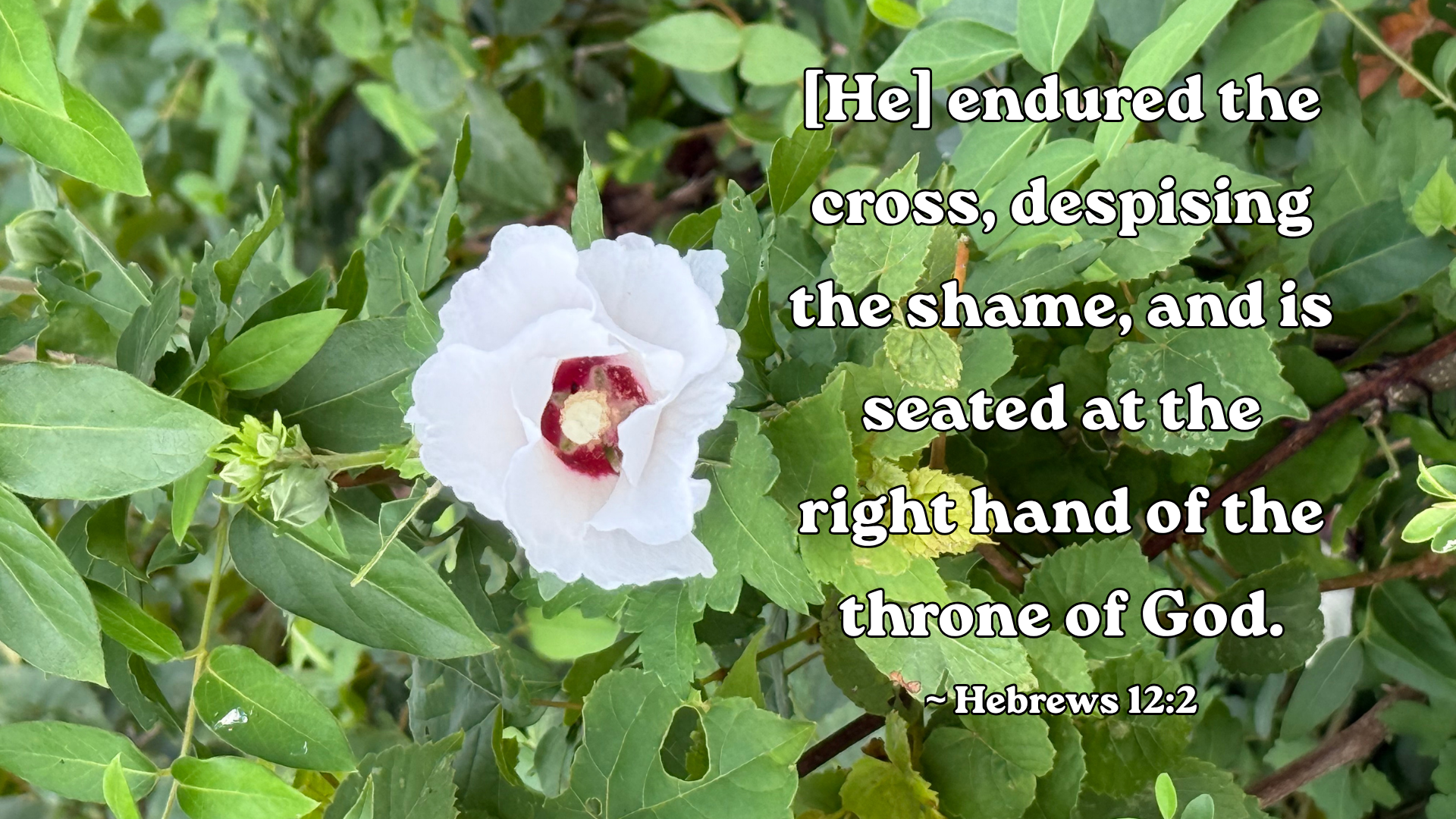
Christ was willing to be treated as a non-person of a different species, even though he created that species and embodied it perfectly in the flesh. It says in Hebrews that the joy that was set before him to bring salvation caused him to endure the cross and despise the shame (Hebrews 12:2).
In light of this, we also forfeit his resurrection power, not necessarily when we think of Jesus ‘not of the same species,’ but rather think of Jesus as less than divine and neglect to bow to him as the holy, sovereign Lord over the whole universe, but instead see him as one who sees the world as we do. When we do this, we miss his mighty love and the one who is worthy of our trust, whatever comes our way. Do not miss seeing the Messiah, our Savior, for who he says he is and what he has done for us, so that we can all spontaneously cry out.
Hallelujah! What a Savior!