Last Sunday we discussed how the Galatians were taken in by those teaching another gospel. Paul tells them, “They make much of you so that you will make much of them” (Galatians 4:17). This is flattery, and it reveals the power of words. Proverbs 18:21 reminds us that “death and life are in the power of the tongue.” We want to encourage others and be encouraged ourselves, so how do we know whether the words spoken were mere flattery or true encouragement?
The distinction between flattery and encouragement is not a matter of semantics; it is a matter of the heart. The speaker’s motivation makes all the difference and produces radically different fruits depending on the end goal. We need to ask what the intent of the communication is and whether it aligns with truth. Proverbs 29:5 states, “A man who flatters his neighbor spreads a net for his feet.” This communication is transactional and offers insincere, exaggerated praise. Some flattery is easy to detect: over-the-top expressions that are not grounded in reality, and you know it. “Wow, you were amazing!” or “You are the smartest person in this room; no one else could ever handle this.” It often doesn’t feel good to receive because you can tell it isn’t honest. It does not build you up. Maybe it is a misguided attempt to encourage, or a way to gain favor. Flattery feeds human pride and rests on half-truths; it mimics love but ultimately serves self-interest, hindering trust within the body of Christ.
Paul never did this in his ministry. “We never came with words of flattery, as you know, nor with a pretext for greed—God is witness” (1 Thessalonians 2:5-6). He commands believers to “encourage one another and build one another up” (1 Thessalonians 5:11). Encouragement is parakaleo, alongside, comfort, or strengthen. Unlike flattery, encouragement focuses on the other person’s growth, resilience, and spiritual well-being. It does not ignore reality or dispense empty praise, but highlights truth, genuine effort, and Christlike character. True encouragement points the recipient away from themselves and toward God, acknowledging the Lord’s presence in their life.
The greatest difference between flattery and encouragement is its fruit. Flattery breeds a culture of suspicion, superficiality, and pride. When a community relies on flattery, accountability vanishes because people only say what others want to hear. Encouragement, however, produces security, humility, and spiritual health. Because encouragement is grounded in truth, it provides the environment needed to give and receive difficult corrections when necessary. It points people to their identity in Christ and helps them live faithfully through trials and conflicts.
Flattery uses others; encouragement serves others. Flattery attempts to fill the ego, whereas encouragement strengthens the soul. I feel deflated by flattery and built up by encouragement. Hollow or transactional, I feel safe and known when encouraged. With flattery, I feel unguarded, cynical, and suspicious.
We can reflect Christ and build a healthy church when we encourage with love and truth. The greatest help in this regard is to receive encouragement from the Lord and allow him to empower you to encourage others.
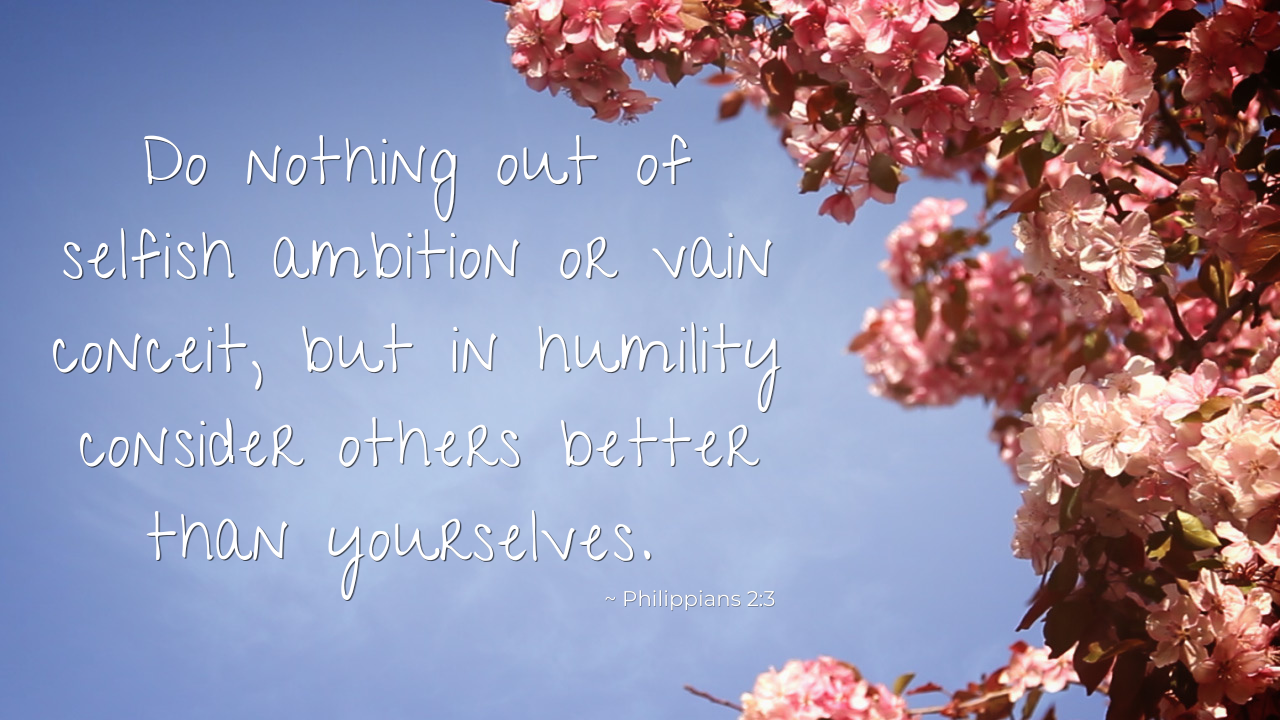
1If you have any encouragement from being united with Christ, if any comfort from his love, if any fellowship with the Spirit, if any tenderness and compassion, 2then make my joy complete by being like-minded, having the same love, being one in spirit and purpose. 3Do nothing out of selfish ambition or vain conceit, but in humility consider others better than yourselves (Philippians 2:1-3).